Do spotted lanternflies die in the winter? Why invasive species keep coming back
Maria Gomez has over 15 years of experience in local journalism, having previously served as the editor for the Hempstead Herald and a contributor to Newsday. She graduated from Long Island University with a degree in Journalism and has a passion for engaging with the diverse voices of Garden City. Maria believes that community journalism plays a crucial role in shaping local identity.
More from Maria →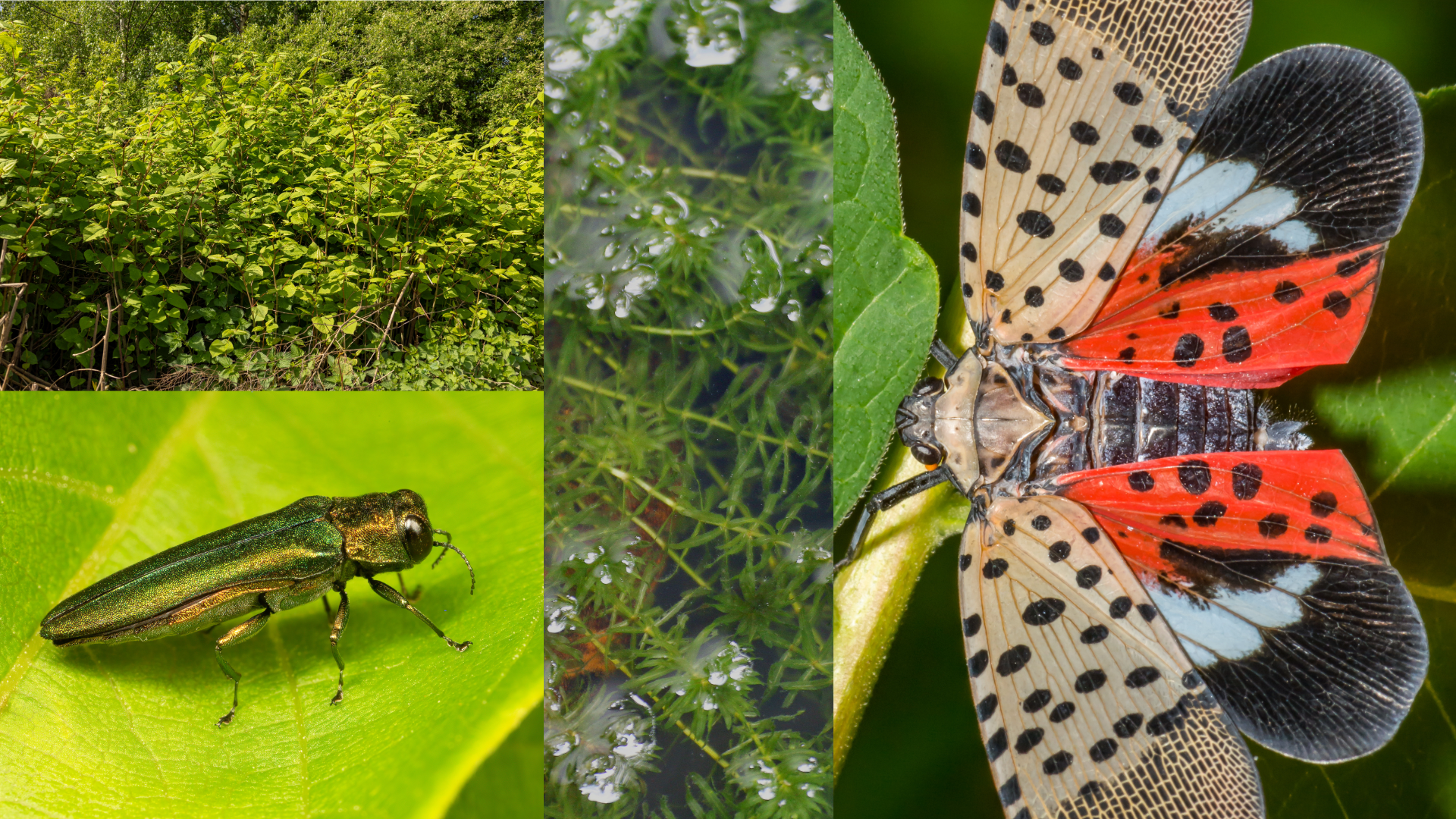
article Invasive Species in the Northeast US (Credit: Adobe) The Brief Common invasive species evolved in temperate regions of East Asia that share the same sub-zero winter climates as the Northeastern U.S. Spotted lanternfly egg masses and emerald ash borer larvae rely on natural insulation and biological antifreeze to endure temperatures well below zero. Warming regional winters across Philadelphia, New York and the DMV rarely reach the sustained deep freezes required to naturally control populations. PHILADELPHIA - As winter cold sets in across the Mid-Atlantic and Northeast, many residents hope the first hard freeze will do what swatters, sticky traps and stomping boots could not: wipe out invasive pests like spotted lanternflies . However, scientists warn that sub-freezing temperatures will not solve the problem. A persistent misconception is that invasive insects and plants originating from East Asia cannot handle cold weather. In reality, the temperate deciduous forests of northern and eastern China, Korea and eastern Russia share almost the exact same seasonal freezing conditions as the eastern United States. Having evolved over millions of years to endure continental winters, these species arrive with built-in biological defenses that turn ordinary winter freezes into little more than a seasonal pause. How lanternflies, ash borers and invasive trees survive the freeze Dig deeper: Different invaders use distinct survival strategies to ride out freezing temperatures until spring: Spotted lanternfly ( Lycorma delicatula ): Adult lanternflies do not survive freezing weather and die off after the first hard autumn frosts. Instead, the species survives entirely in the egg stage. Females coat their egg masses in a mud-like, waxy secretion called an ootheca, which hardens to shield against wind chill, predators and moisture loss. Laboratory studies published in the academic journal Environmental Entomology found that lanternfly eggs undergo "supercooling"—a physiological process that prevents internal liquids from crystallizing into ice—down to approximately -13°F to -17.8°F. Spotted Lanternfly sits on stem seen at country garden in Sangju, South Korea, on July 17, 2026. (Photo by Seung-il Ryu/NurPhoto via Getty Images) Emerald ash borer ( Agrilus planipennis ): This destructive wood-boring beetle spends the winter as larvae or prepupae tucked beneath the bark of ash trees, where temperatures remain 2 to 5 degrees warmer than the open air. Larvae empty their digestive systems before winter to remove ice-forming particles and produce cryoprotective compounds like glycerol, acting as an internal antifreeze. According to research from the U.S. Department of Agriculture (USDA) Forest Service Northern Research Station, air temperatures must plunge between -20°F and -30°F to trigger widespread larval mortality. Emerald Ash Borer (Credit: Adobe) Tree of heaven ( Ailanthus altissima ): The preferred host tree of the spotted lanternfly is fully cold-hardy. While extreme cold may occasionally nip outer twigs, the tree stores carbohydrates deep within an extensive horizontal root network beneath the frost line. Protected by soil and snow cover, these roots survive sub-zero weather and produce aggressive new shoots come spring. Tree of Heaven (Credit: Adobe) Top invasive species threatening our regions Local perspective: Different parts of the East Coast face distinct battles with overwintering invaders: Philadelphia and Eastern Pennsylvania: The epicenter of the U.S. spotted lanternfly infestation since it was first identified in Berks County in 2014, the region continues to battle high concentrations of egg masses along transportation corridors, as well as widespread emerald ash borer damage throughout suburban tree canopies. New York City and the Tri-State: Dense clusters of tree of heaven along rail lines and vacant lots provide shelter for lanternflies across all five boroughs, Long Island and northern New Jersey, while the emerald ash borer continues to threaten urban and suburban ash canopies in the lower Hudson Valley. Washington, D.C., Maryland and Virginia (DMV): Mid-Atlantic woodlots face heavy pressure from emerald ash borer infestations along the Potomac basin, while spotted lanternflies continue their push southward through Northern Virginia and Maryland suburbs. Why warming winters make eradication harder Big picture view: Compounding the biological resilience of these pests is the reality that regional winters are increasingly mild. Research from climate scientists and agricultural extension offices shows that winter is warming faster than any other season in the Northeast. Historical polar vortex events that bring sustained, multi-day cold below -15°F are rare along the I-95 corridor. Because modern winter temperatures rarely sink low enough to breach the lethal supercooling limits documented by researchers, winter acts as a brief seasonal break rather than a natural population control. The Source: This article was written using scientific research and data from Penn State Extension, the USDA Forest Service Northern Research Station, the USDA Animal and Plant Health Inspection Service (APHIS), Cornell Cooperative Extension and peer-reviewed studies published in Environmental Entomology. Wild Nature New Jersey News